
Substack
Substack Inc.News & Magazines
4.812.34K Reviews
- Version
- 3.10.1
- Installs
- 10.00M
- Age Rating
- Teen
Screenshots
Our Review of Substack
 Analysis by Appyee
I usually open Substack when I want more than a quick headline but don’t have a specific publication in mind. The app brings independent writers, newsletters, podcasts, videos, and other posts into one reading space, so it can take me from a focused essay to a creator’s wider conversation without sending me straight back to a general social feed. That variety is its main appeal, but it also means the experience depends on choosing whose work deserves a place in my routine.
Starting with a useful reading habit
As a News & Magazines app, Substack suits readers who like following individual voices rather than relying only on a newspaper’s front page or an algorithmic stream of short posts. I find it most useful when I arrive with a loose interest—say, a subject I want to understand better—then use recommendations and browsing to discover writers I might not have found through my usual sources. The app is free to install, and Substack Inc. is the developer behind it.
That discovery process is best treated as a starting point, not a guarantee that every suggestion will fit. I would sample a writer’s free work before making that publication part of my regular reading. A practical approach is to follow only a few voices at first, then notice which ones I actually return to. This keeps a promising new feed from becoming another crowded inbox that I feel obliged to clear.
From finding a writer to following the work
Once I find a post that holds my attention, the next step is deciding whether I want that writer in my ongoing mix. Substack’s reader experience centers on subscriptions and a place to keep up with the publications I choose. I can use it for a deliberate reading session, or dip in when I have a few spare minutes and see what the people I follow have shared. The choice of writers matters more than simply browsing endlessly: a handful of thoughtful subscriptions can make the app feel personal, while following too broadly can turn it into a noisy stream.
For example, I might use a quiet part of a commute to read one longer essay, save the name of a writer whose perspective I want to revisit, and return later when I have enough time to read with attention. That is a better fit for Substack than expecting it to deliver a complete, balanced briefing on every major story. I still use more than one source for news that needs context; independent writers can offer depth and a distinctive point of view, but a personal subscription feed is not the same thing as an edited newsroom.
How the reading, listening, and conversation fit together
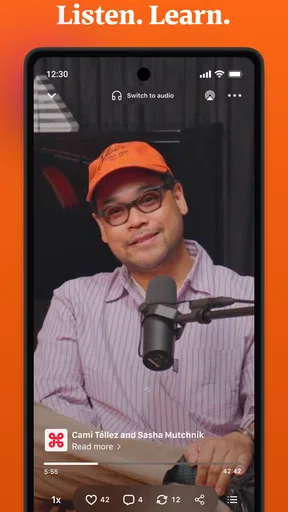
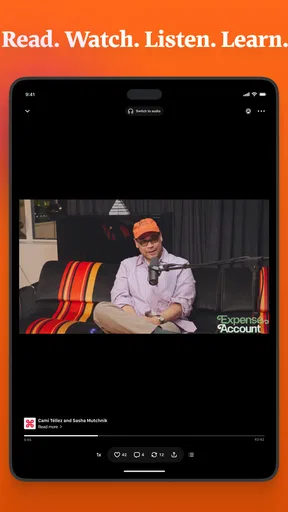
Substack is not limited to written newsletters. Its mix can include podcasts and videos, which gives creators more than one way to reach readers and gives me a reason to stay with a writer whose ideas work better spoken than on the page. I like that range, though it can make the app feel less like a quiet digital bookshelf and more like a collection of different media. When I want to read, I can focus on posts; when I want to listen, a creator’s audio work may suit the moment better.
This is where I see a useful trade-off with familiar alternatives. A dedicated podcast app is often a more natural choice if listening is the whole point, while a newspaper app is stronger for a single publication’s reporting and a general social network is better for broad, fast-moving chatter. Substack’s advantage is bringing independent publications and their communities into one place. Its limitation is that the experience follows the people I choose, rather than providing the same editorial overview or universal discovery that those other formats can offer.
Following through, and knowing when to engage
When a writer’s post invites discussion, comments can turn reading into a conversation. I see that as a welcome handoff: the creator publishes something, readers respond, and the exchange can add perspectives the original post did not include. Still, I don’t treat a lively comment thread as a substitute for reporting or expertise. I read it when I want to understand how a community is reacting, and move on when the discussion stops adding useful context.
Subscriptions also give the experience continuity. Instead of searching for the same writer every time, I can keep the publications I care about together and return when I have time. A small but helpful habit is to review that list after a few weeks: if I have not opened a publication and its subject no longer matters to me, removing it can make the remaining feed easier to use. That is a more sustainable way to build a reading routine than subscribing to everything that looks interesting in a single browsing session.
Creators, readers, and the paid-subscription decision
For writers, Substack provides a straightforward route to publish and build an audience, with the option to offer free or paid subscriptions. As a reader, I would make that decision publication by publication rather than assuming every worthwhile writer requires payment or that every free post is only a preview. If I am considering paying for a writer’s work, I first ask whether I return to it regularly and whether the material offers something I cannot get from my existing reading habits. That keeps the choice tied to real use, not the excitement of discovering someone new.
The creator side is also not automatically effortless. Publishing tools can make starting feel approachable, but a creator still has to produce work consistently and earn readers’ attention. For readers, that means the quality and rhythm of the experience can vary from one subscription to another. I would not choose the app expecting every publication to behave like a polished magazine with a predictable schedule; I would choose it because I want direct access to writers whose work I value.
Where the experience can lose its rhythm
The same openness that makes discovery interesting can leave me with uneven coverage and too much to catch up on. If I follow many writers on overlapping subjects, new posts can compete for attention, and a personal feed may reinforce the interests I already have instead of challenging them. I counter that by keeping my subscriptions intentional and using other sources when I need a broad view of a developing story. If my priority is breaking news, a tightly edited news app is usually the better first stop.
There is also a difference between having access to a writer and having time to follow everything that writer publishes. I try not to treat every new post as an assignment. Reading one piece carefully is more valuable to me than skimming a queue simply to make it disappear. For someone who wants a single, complete daily digest with clear editorial priorities, Substack may feel too dependent on personal curation. For someone happy to assemble a reading list around particular voices, that same control is a strength.
On Android, the app is free and rated for Teen audiences. It has a 4.8 average from around 190,000 ratings, and has passed 5 million installs. Those figures suggest it has found a substantial readership, but they do not tell me whether its mix suits a particular person. I would judge it by whether I find writers I genuinely want to revisit, and whether the blend of text, audio, video, and discussion fits the way I like to spend my reading time.
A good fit for curious readers, with clear exceptions
I would recommend Substack to people who enjoy following independent writers, want a more personal alternative to an undifferentiated social feed, or are curious about building a small library of specialist voices. It can also make sense for creators who want a direct publishing home and the choice to make some work paid. The current version is 2.80.1, and it supports Android 7.0 and later.
I would steer someone elsewhere if they mainly want a carefully balanced headline briefing, a dedicated podcast player, or a fast stream of short updates. It is also not ideal for readers who dislike managing subscriptions or who feel pressure when a feed accumulates unread material. In those cases, a newspaper app, a podcast-focused service, or simply a browser bookmark list may be easier to maintain.
Overall, I think Substack works best when I use it with intention: discover a writer, try their work, decide whether to follow, and make room for the posts that earn my attention. Its most satisfying outcome is not an endless supply of content but a small, varied collection of voices I would otherwise miss. If that sounds more appealing than having every story selected for me, it is worth exploring; if you need a comprehensive news desk in your pocket, another kind of app will serve you better.
So, let’s dive into the world of Substack, the app that’s been turning heads in the publishing industry. If you're anything like me, always on the hunt for fresh content and new voices, then this app might just be your next obsession.
Discovering New Voices
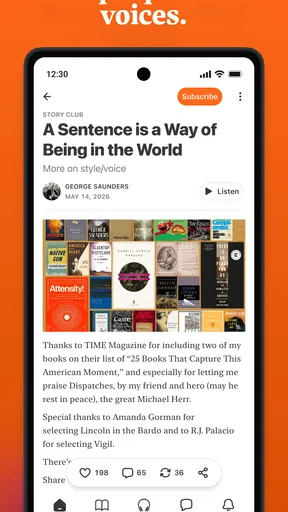
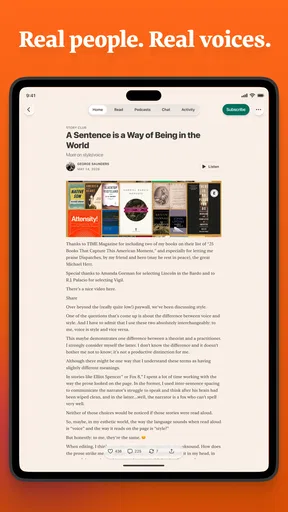
Right off the bat, Substack is all about connecting readers with writers. Whether you're into deep dives on niche topics or just looking for a new perspective on current events, this app has got you covered. It’s like having an endless bookshelf in your pocket, filled with newsletters from independent writers who pour their hearts out.
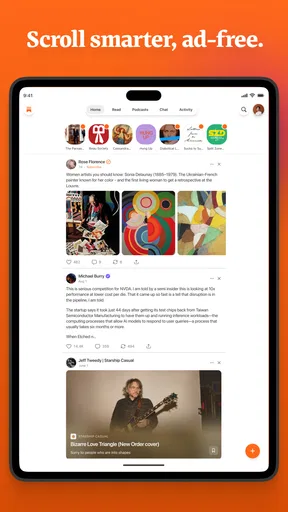
One of the coolest features is how easy it is to find content that resonates with you. The app does a fantastic job of recommending newsletters based on your interests. There’s something incredibly satisfying about scrolling through and finding that perfect piece that makes you go, “Yes, this is exactly what I needed today!”
For Creators, By Creators
Now, if you’re on the other side of the fence and have something to say, Substack is like a dream come true. It offers a straightforward platform for writers to publish and monetize their work. The interface is clean and user-friendly, making it easy to set up your newsletter and start building an audience.
Monetization is a breeze with options to offer free or paid subscriptions. And let’s be real, who doesn’t like the idea of getting paid for doing something they love? It’s a win-win situation for both readers and writers, creating a vibrant ecosystem of ideas and stories.
Staying Connected
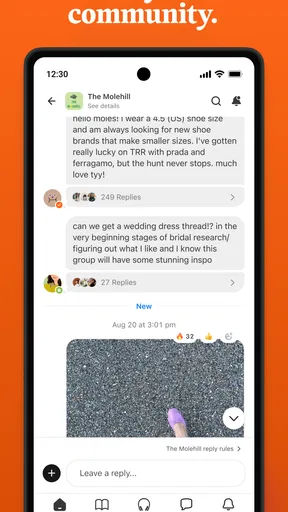
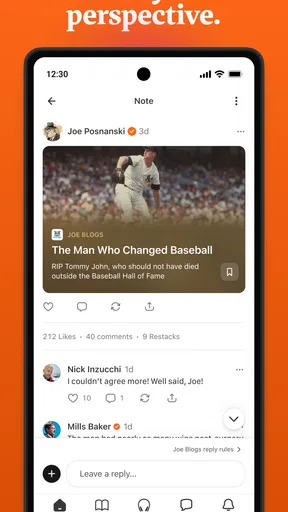
One of the things I love about Substack is the sense of community it fosters. You can interact with writers through comments and discussions, making the whole experience feel more personal. It’s not just about reading; it’s about engaging and being part of a larger conversation.
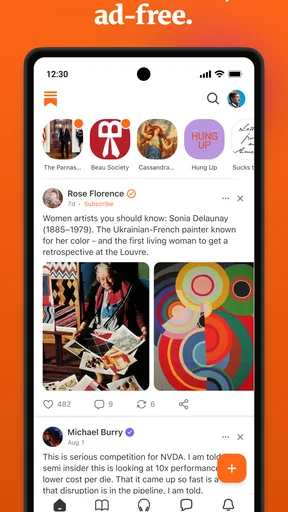
Plus, the app keeps everything organized. You can easily manage your subscriptions, ensuring you never miss out on your favorite newsletters. It’s like having your curated library, sorted and ready for whenever you have a moment to indulge.
Final Thoughts
In a world where content is king, Substack stands out as a platform that truly empowers both readers and writers. It’s more than just an app; it’s a movement towards independent publishing and authentic storytelling. Whether you’re looking to discover new insights or share your own, Substack offers the tools to make it happen.
So, why wait? Dive into the world of Substack and see what incredible stories await you. It might just become your favorite spot for all things literary!
Privacy and Permissions
See what permissions an app requests and how it handles your data.
- Contacts
- read your contacts
- Location
- approximate location (network-based)
- Photos/Media/Files
- read the contents of your USB storage, modify or delete the contents of your USB storage
- Storage
- read the contents of your USB storage, modify or delete the contents of your USB storage
- Camera
- take pictures and videos
- Microphone
- record audio
- Other
- view network connections, pair with Bluetooth devices, full network access, change your audio settings, run at startup, prevent device from sleeping
Verdict
Strengths of Substack
- User-friendly interface for easy navigation.
- Supports multimedia content seamlessly.
- Customizable newsletters for personal branding.
- Analytics tools for tracking subscriber engagement.
- Offers a free tier with basic features.
Limitations of Substack
- Limited design customization options.
- No built-in community engagement features.
- Monetization options can be restrictive.
- Mobile app lacks some desktop features.
- Subscription management can be cumbersome.
Similar Picks in This Category
View All
Google News - Daily Headlines
Google LLC4.0

X
X Corp.4.8

Flipboard:Your Social Magazine
Flipboard3.4

Opera News: breaking & local
Opera4.5

Hindi News by Dainik Bhaskar
Dainik Bhaskar Group4.0

Way2News Daily News App
Way2News ( Formerly Way2SMS )4.6
Frequently Asked Questions
What is Substack and how does it work?
Substack is a platform that allows writers and creators to publish newsletters directly to their audience. Users can subscribe to newsletters they are interested in, either for free or through a paid subscription. It provides a simple interface for creators to write, distribute, and monetize their content without needing to manage the technical aspects of running a website.
Is Substack free to use for writers and readers?
Substack offers both free and paid options. For writers, it is free to start a newsletter, but Substack takes a 10% fee from any paid subscriptions. Readers can subscribe to free newsletters without cost, while some newsletters may require a paid subscription set by the writer. This allows for flexibility and monetization opportunities.
Can I import my existing subscribers to Substack?
Yes, Substack allows you to import subscribers from other platforms or mailing lists. This is done through a simple CSV upload process. Substack provides step-by-step guidance on how to import your audience, ensuring a smooth transition for creators moving their content to the platform.
What types of content can I publish on Substack?
Substack is versatile and supports various types of content, including text, images, and audio. This makes it suitable for newsletters, podcasts, and serialized writing. The platform emphasizes simplicity and ease of use, allowing creators to focus on content rather than complex formatting or technical setups.
How does Substack handle data privacy and security?
Substack is committed to protecting user data and adheres to privacy regulations. Subscriber data is kept secure, and the platform provides creators with control over their mailing lists. Substack's privacy policy outlines how data is collected, used, and shared, ensuring transparency and trust for both writers and readers.
